Exploring the Concept of Operon Management in Healthcare Practices
- Operon Management
- Jul 5
- 4 min read

Managing a healthcare practice involves juggling many tasks. From patient care to billing, scheduling, and compliance, the administrative load can be overwhelming. This is where operon management comes in. It offers a way to handle operations efficiently, reduce stress, and improve overall performance. In this post, I will explain what operon management means, why it matters, and how it can help healthcare providers focus more on patients and less on paperwork.
What Is Operon Management and Why It Matters
Operon management refers to the organized handling of a practice’s daily operations. It covers everything from appointment scheduling and billing to staff coordination and compliance tracking. The goal is to create a smooth workflow that supports the clinical side without adding extra burden.
In healthcare, time is precious. Every minute spent on paperwork is a minute taken away from patient care. Operon management helps by automating routine tasks, improving communication, and providing clear oversight of the practice’s functions. This leads to fewer errors, faster billing cycles, and better patient experiences.
For example, a multi-specialty clinic might struggle with coordinating appointments across different departments. Operon management tools can centralize scheduling, so patients get timely visits and staff avoid double bookings. This simple change can boost revenue and reduce no-shows.

Key Components of Effective Operon Management
To manage operations well, a healthcare practice needs to focus on several key areas:
Scheduling and Patient Flow
Efficient scheduling ensures patients are seen on time and resources are used well. It also reduces wait times and improves satisfaction.
Billing and Revenue Cycle Management
Accurate billing and quick claims processing keep cash flow steady. This area benefits greatly from automation and clear tracking.
Staff Coordination and Communication
Clear roles and good communication prevent mistakes and improve teamwork. This includes managing shifts, tasks, and updates.
Compliance and Reporting
Healthcare practices must follow many rules. Operon management helps track compliance and generate reports for audits.
Technology Integration
Using the right software tools can connect all these components, making data flow seamless and reducing manual work.
Each of these parts plays a role in keeping a practice running smoothly. When they work together, the practice can focus on delivering quality care.
How Technology Supports Operon Management
Technology is a key enabler of operon management. It provides tools that automate tasks, organize data, and improve communication. Here are some examples of products that support these goals:
Practice Management Software
This software handles scheduling, billing, and patient records in one place. It reduces errors and saves time.
Revenue Cycle Management Services
These services focus on billing and claims processing, helping practices get paid faster and more accurately.
Virtual Operations Partners
These companies offer remote support for administrative tasks, freeing up in-house staff to focus on patients.
One example is Operon Management, a virtual operations partner that helps healthcare practices reduce administrative burdens. They provide tailored solutions to increase revenue and improve efficiency. By handling tasks like billing and scheduling remotely, they allow providers to focus entirely on patient care.
Another useful tool is the MediSched Pro practice management software. It offers an easy-to-use interface for scheduling and billing, designed specifically for multi-specialty clinics and solo practitioners. Its integration with electronic health records makes data management seamless.
For revenue cycle management, ClearClaim Solutions offers services that speed up claims processing and reduce denials. Their expertise helps dental and group practices maintain steady cash flow.
Comparing these options, virtual operations partners like Operon Management provide a hands-off approach by managing tasks remotely. Practice management software like MediSched Pro gives control directly to the practice with user-friendly tools. Revenue cycle services like ClearClaim Solutions focus narrowly on billing but can be combined with other tools for full coverage.
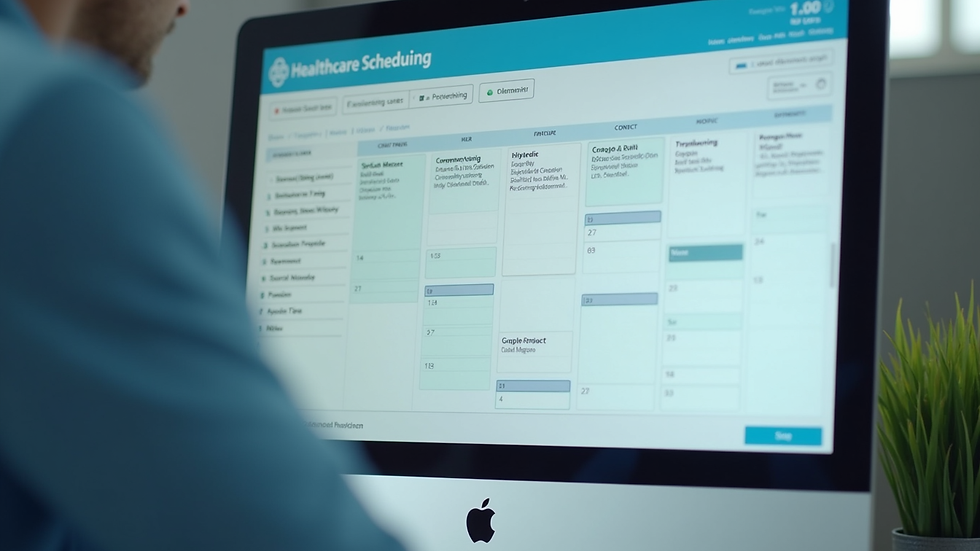
Benefits of Using Operon Management in Healthcare
Implementing operon management brings several clear benefits:
Reduced Administrative Burden
Automating and outsourcing routine tasks frees up staff time.
Increased Revenue
Faster billing and fewer errors improve cash flow.
Improved Efficiency
Streamlined workflows reduce delays and mistakes.
Better Patient Experience
Timely appointments and clear communication enhance satisfaction.
Compliance Assurance
Tracking tools help meet regulatory requirements.
For example, a dental group practice using a virtual operations partner saw a 20% increase in revenue within six months. They reduced billing errors and improved appointment scheduling, which led to more patients seen each day.
Steps to Implement Operon Management Successfully
If you want to improve your practice’s operations, here are some steps to follow:
Assess Current Processes
Identify bottlenecks and pain points in scheduling, billing, and communication.
Choose the Right Tools or Partners
Decide whether software, services, or a combination fits your needs.
Train Staff
Ensure everyone understands new systems and workflows.
Monitor Performance
Track key metrics like billing speed, appointment wait times, and patient feedback.
Adjust and Improve
Use data to refine processes and address issues quickly.
By following these steps, practices can build a strong foundation for operon management that supports growth and quality care.

Operon management is not just a buzzword. It is a practical approach to running healthcare practices more smoothly. Whether through software like MediSched Pro, services like ClearClaim Solutions, or virtual partners like Operon Management, the right support can make a big difference.
If your practice struggles with administrative tasks, exploring operon management options could be the key to freeing up time and increasing revenue. The goal is clear: let healthcare providers focus on what matters most, patient care, while operations run efficiently in the background.
Take the next step by evaluating your current operations and considering how these tools or services might fit your practice’s needs. The right operon management approach can transform your daily workflow and help your practice thrive.


Comments